

Are you looking to propel your website’s SEO without starting from scratch? Buying an aged domain might be the innovative solution you’ve been seeking. Aged domains, previously used and now up for grabs, offer valuable benefits, including established backlink profiles and indexed pages. These domains grant the ability to bypass Google’s “sandbox,” providing a quicker ranking boost. In this article, discover why an aged domain could be your strategic advantage in achieving SEO success. Delve into their benefits, understand where to buy them, and learn how best to harness their potential for optimal results.
Understanding Aged Domains and Their Benefits
Aged domains are domain names that have previously been used for live websites and are now available for purchase. They hold significant value in the realm of search engine optimisation (SEO) due to their established backlink profiles and history in search engine indexing. These domains bypass the so-called Google “sandbox,” a period where new websites typically struggle to rank as they establish credibility. The backlog of valuable backlinks associated with aged domains provides a critical advantage, often difficult and costly to replicate from scratch. These factors grant aged domains a head start in SEO efforts, making them an attractive option for those looking to enhance their online presence quickly.
- Established backlink profiles
- Indexed pages
- Avoidance of Google “sandbox”
- Shorter time to rank
- Potential cost savings compared to building new backlinks
The historical value of aged domains further contributes to their appeal, as they often possess an established online presence that enhances trust and authority in the eyes of search engines. This established history can result in quicker ranking times and overall improved SEO performance. With the potential to significantly cut down on the time and resources needed to build a comparable online footprint, aged domains present a strategic investment for those aiming to elevate their SEO strategy efficiently.
Where to Buy Aged Domains: Best Marketplaces and Platforms
Selecting the right marketplace is crucial when purchasing aged domains, as it directly impacts the quality and potential of your SEO strategy. The choice of platform influences not only the range of domains available but also the integrity of the domain’s history and backlink profile. A reliable marketplace ensures that the domains offered have been thoroughly vetted, reducing the risk of acquiring a domain with hidden issues that could harm your search engine rankings.
- SerpDomains
- Odys
- SerpNames
- GoDaddy Auctions
- SpamZilla
- DomCop
The cost of aged domains can vary significantly, with prices ranging from $750 to over $50,000. This variation is influenced by factors such as the domain’s backlink profile, its historical significance, and the niche relevance of the content associated with it. Strong backlink profiles and niche relevancy drive up the domain’s value, whereas domains with less history or weaker backlinks might be more affordable. Understanding these factors is essential for making an informed investment that aligns with your SEO goals.
| Platform | Key Features | Price Range |
|---|---|---|
| SerpDomains | High-quality aged domains, strong backlink profiles | $750 – $15,000 |
| Odys | Premium domains with niche relevance | $1,000 – $20,000 |
| SerpNames | Curated list of domains, SEO metrics available | $800 – $10,000 |
| GoDaddy Auctions | Wide range of domains, user-friendly interface | $10 – $50,000 |
| SpamZilla | Detailed analysis tools, identify expired domains | $500 – $12,000 |
| DomCop | Comprehensive domain listings, advanced filtering | $750 – $25,000 |
How to Evaluate the Value of Aged Domains
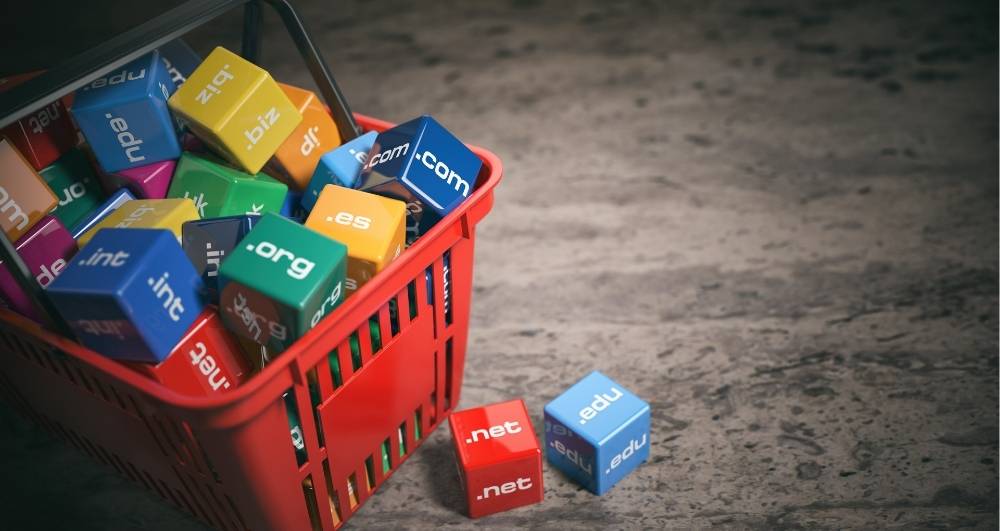
Evaluating the value of an aged domain demands careful due diligence, especially for those planning to buy aged domain assets as part of their SEO strategy. Why is this process so crucial? A precise evaluation ensures the chosen domain supports long-term growth while avoiding hidden risks. Key factors such as historical usage, backlink quality, and search engine indexing status play a decisive role in determining both current and future value. By conducting thorough checks, buyers can mitigate potential pitfalls, such as acquiring domains previously penalised by search engines or weighed down by low-quality backlinks.
Assessing Backlink Profiles
What is the importance of a strong backlink profile when evaluating an aged domain? A robust backlink profile is essential as it directly influences the domain’s authority and ranking potential. High-quality backlinks from reputable sources enhance a domain’s credibility with search engines, providing a solid foundation for SEO success. Conversely, a domain with toxic or spammy backlinks can damage search engine performance and require extensive cleanup efforts. Evaluating the backlink profile involves analysing the quality, relevance, and diversity of linking domains to ensure they contribute positively to the domain’s value.
Reviewing Domain History
How can one ensure that an aged domain hasn’t been used for spam or incurred penalties? Checking the domain’s history is vital to ascertain its past usage and avoid potential pitfalls. Tools like the Wayback Machine allow users to view archived versions of the site, revealing any history of spammy content or practices. Additionally, WHO.IS records provide insights into previous ownership and DNS changes. Confirming that the domain has not been penalised or used inappropriately is key to safeguarding your investment.
Numerous tools are available to aid in the comprehensive evaluation of aged domains. The Wayback Machine and WHO.IS are instrumental in uncovering a domain’s historical data. For an in-depth examination, services like Domain Tools offer exhaustive reports that can include past sales, ownership details, and even screenshots of previous content. Such thorough evaluations are pivotal in making informed decisions, ensuring that the domains purchased serve as beneficial assets rather than liabilities.
Risks and Challenges When Buying Aged Domains
When buying aged domains for SEO purposes, it is important to recognise the potential risks involved. Aged domains, while offering SEO benefits, are not without their challenges. One significant risk is the possibility of Google updates and penalties. If a domain was previously penalised or has been affected by algorithm changes, this could impact its current SEO performance. Hidden low-quality backlinks are another concern, as these can harm search rankings and require time-consuming cleanup. Additionally, domains may have been used as spammy sites or part of private blog networks (PBNs), which can lead to penalties and decreased authority.
- Google updates and penalties
- Hidden low-quality backlinks
- Previous use as spammy or PBN sites
- Legal or trademark issues
Thorough research and due diligence are crucial when purchasing aged domains. Evaluating the domain’s history, backlink profile, and any legal or trademark issues helps avoid potential pitfalls. It is important to scrutinise past use to ensure the domain was not associated with spam or other negative practices. A comprehensive evaluation mitigates risks and ensures the domain contributes positively to SEO strategies, safeguarding your investment and enhancing your online presence.
Best Practices for Using Aged Domains Effectively
Aged domains offer significant advantages in SEO, primarily due to their established history and backlink profiles. These domains can serve as powerful tools in boosting search rankings when used strategically. Aged domains are often employed for 301 redirects, which transfer the authority of an aged domain to another site, thereby enhancing the latter’s search engine visibility. Additionally, they are valuable for building private blog networks (PBNs), which can amplify link-building efforts. By developing new websites on aged domains, businesses can tap into pre-existing traffic and reputation, providing a head start in SEO campaigns.
- Use for 301 redirects to transfer authority
- Build PBNs for enhanced link-building
- Develop new websites on aged domains
- Ensure topical alignment with your niche
- Regularly monitor backlink profiles
When leveraging aged domains, it is crucial to ensure they align topically with your niche, as relevance is a key factor in successful SEO outcomes. Regular monitoring of backlink profiles is essential to maintain the domain’s authority and credibility. Aged domains can significantly expedite the process of achieving higher search rankings, offering the dual benefits of time efficiency and cost savings compared to building a new domain’s reputation from scratch. By adhering to best practices, businesses can maximise the potential of aged domains, leading to improved search traffic and overall SEO success.
Final Words
Exploring the concept of aged domains reveals their significance in providing notable SEO benefits like established backlink profiles and avoiding the Google “sandbox.” Understanding how to buy aged domain from trusted marketplaces such as SerpDomains and Odys ensures access to quality options. Evaluating domain value requires careful examination of backlink profiles and domain history, as discussed.
Awareness of risks like hidden low-quality links and Google updates is essential when integrating aged domains into an SEO strategy. The best practices include using aged domains for 301 redirects or developing niche-aligned websites, showcasing their worth as a strategic SEO asset.

With a background in environmental economics, Rachel writes about the intersection of resource efficiency and consumer habits, helping readers understand how mindful water use benefits both the planet and the wallet.